
Dr. Nikita Sharma
Published on March 6, 2026
When Do Baby Teeth Start Coming In? Teething Guide for Parents
The arrival of a baby’s first teeth is an exciting milestone for parents. However, it can also be a confusing and sometimes stressful time because babies may experience discomfort during the teething process. Many parents often wonder when baby teeth start appearing and how they can help their child during this stage.
Teething is a natural process that every child goes through as their first set of teeth begins to emerge through the gums. According to pediatric dental experts, understanding the teething timeline and proper dental care can help parents ensure their child’s oral health develops properly.
In this guide, we will explain when baby teeth start coming in, common teething symptoms, tips to soothe discomfort, and how to care for your child’s first teeth.
What Are Baby Teeth?
Baby teeth are also known as primary teeth or milk teeth. These teeth start developing under the gums before a baby is born and gradually begin to appear during infancy.
Children typically develop 20 baby teeth, which include:
- 8 incisors (front teeth)
- 4 canines (pointed teeth)
- 8 molars (back teeth)
Although these teeth eventually fall out and are replaced by permanent teeth, they play a very important role in a child’s early development.
Baby teeth help children:
- Chew food properly
- Speak clearly
- Maintain space for permanent teeth
- Develop healthy jaw growth
When Do Baby Teeth Start Coming In?
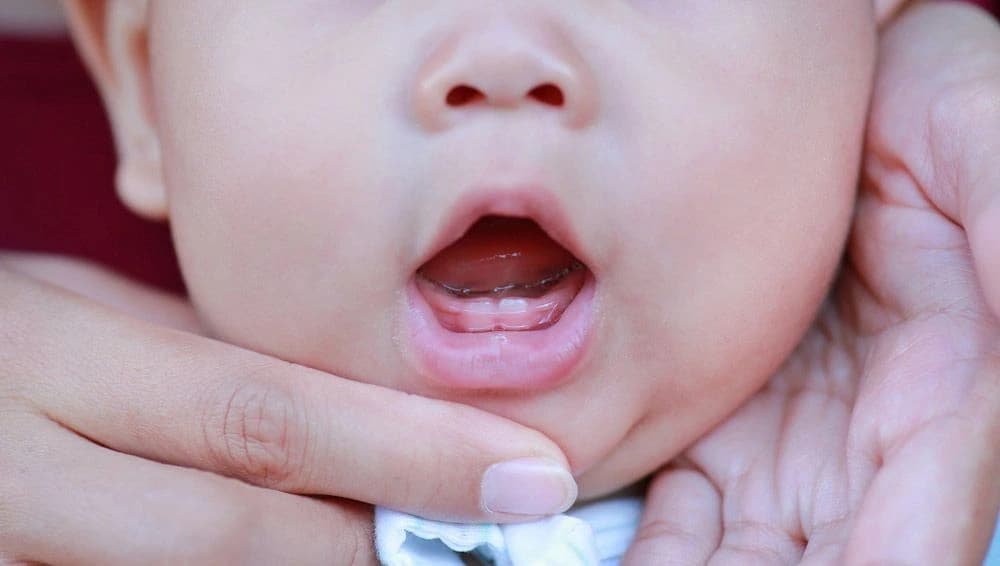
Most babies start teething between 4 to 7 months of age. However, every child develops at a different pace, so some babies may begin teething earlier or later.
In some cases, babies may not get their first tooth until they are around 10–12 months old, which can still be completely normal.
Typical Teething Timeline
Here is a general timeline for when baby teeth usually appear:
- 6–10 months – Lower central incisors (bottom front teeth)
- 8–12 months – Upper central incisors (top front teeth)
- 9–13 months – Upper lateral incisors
- 10–16 months – Lower lateral incisors
- 13–19 months – First molars
- 16–23 months – Canines
- 23–33 months – Second molars
By the time a child reaches 3 years of age, they usually have all 20 primary teeth.
Common Signs of Teething
Teething can cause mild discomfort for babies, and parents may notice several signs when their child’s teeth start coming in.
Some common symptoms include:
- Irritability: Babies may become more fussy or irritable because the pressure of teeth pushing through the gums can cause discomfort.
- Excessive Drooling: Increased saliva production is a common sign of teething. This may sometimes lead to a mild rash around the mouth or chin.
- Chewing on Objects: Babies often chew on toys, fingers, or other objects to relieve pressure on their gums.
- Swollen or Sensitive Gums: Parents may notice that the baby’s gums appear slightly swollen or tender where the tooth is emerging.
- Changes in Eating or Sleeping Patterns: Teething discomfort may temporarily affect a baby’s appetite or sleep routine.
According to pediatric dental specialists, these symptoms are usually mild and temporary.
Symptoms That Are Not Usually Caused by Teething
Some parents believe that teething causes fever or diarrhea, but this is usually not the case.
If your baby experiences symptoms such as:
- High fever
- Severe diarrhea
- Vomiting
- Extreme irritability
you should consult a doctor, as these symptoms may be related to another illness.
How to Soothe Teething Discomfort
Although teething can make babies uncomfortable, there are several safe ways parents can help relieve their child’s discomfort.
- Gently Massage the Gums: Using a clean finger to gently massage the baby’s gums can help reduce pressure and soothe irritation.
- Use a Teething Ring: Teething rings made of safe materials can help babies relieve gum discomfort by chewing. Chilled (not frozen) teething toys may provide extra relief.
- Offer Cold Foods (For Older Babies): For babies who have started eating solid foods, chilled fruits or yogurt can sometimes help soothe sore gums.
- Keep the Baby’s Mouth Clean: Wiping the baby’s gums with a clean, soft cloth can help remove bacteria and keep the mouth comfortable.
Parents should avoid using medicated teething gels unless recommended by a dentist or pediatrician.
How to Care for Baby Teeth
Once baby teeth begin to appear, proper oral care becomes very important.
Here are some essential tips recommended by Dr. Nikita Sharma.
- Start Cleaning Early: Even before the first tooth appears, parents can gently clean the baby’s gums with a soft cloth. Once teeth emerge, use a soft baby toothbrush to clean them.
- Use a Small Amount of Toothpaste: For children under 3 years old, a rice-sized amount of fluoride toothpaste is recommended.
- Avoid Sugary Drinks: Frequent consumption of sugary drinks such as juices or sweetened milk can increase the risk of cavities.
- Do Not Put Babies to Sleep with a Bottle: Milk or juice remaining in the mouth overnight can lead to early childhood tooth decay, sometimes called “baby bottle tooth decay.”
When Should Your Child First Visit the Dentist?
Experts recommend that a child should have their first dental visit by their first birthday or within six months after the first tooth appears.
Early dental visits help:
- Check the development of teeth and gums
- Detect early dental problems
- Guide parents on proper oral hygiene practices
Regular dental checkups help ensure that a child’s teeth grow healthy and strong.
Importance of Baby Teeth
Some parents believe that baby teeth are not important because they eventually fall out. However, this is a misconception.
Healthy baby teeth are important because they:
- Help children chew and digest food properly
- Support speech development
- Maintain space for permanent teeth
- Contribute to a child’s confidence and smile
Ignoring dental care during early childhood may lead to cavities and other oral health problems.
Final Thoughts
Teething is a natural part of a child’s growth and development. Although it may cause temporary discomfort, understanding the process can help parents manage this stage more easily.
By following proper oral care habits and monitoring your child’s dental development, you can help ensure that their first set of teeth remains healthy. Let the best pediatric dentist in Ajmer partner in your child's smile journey.