
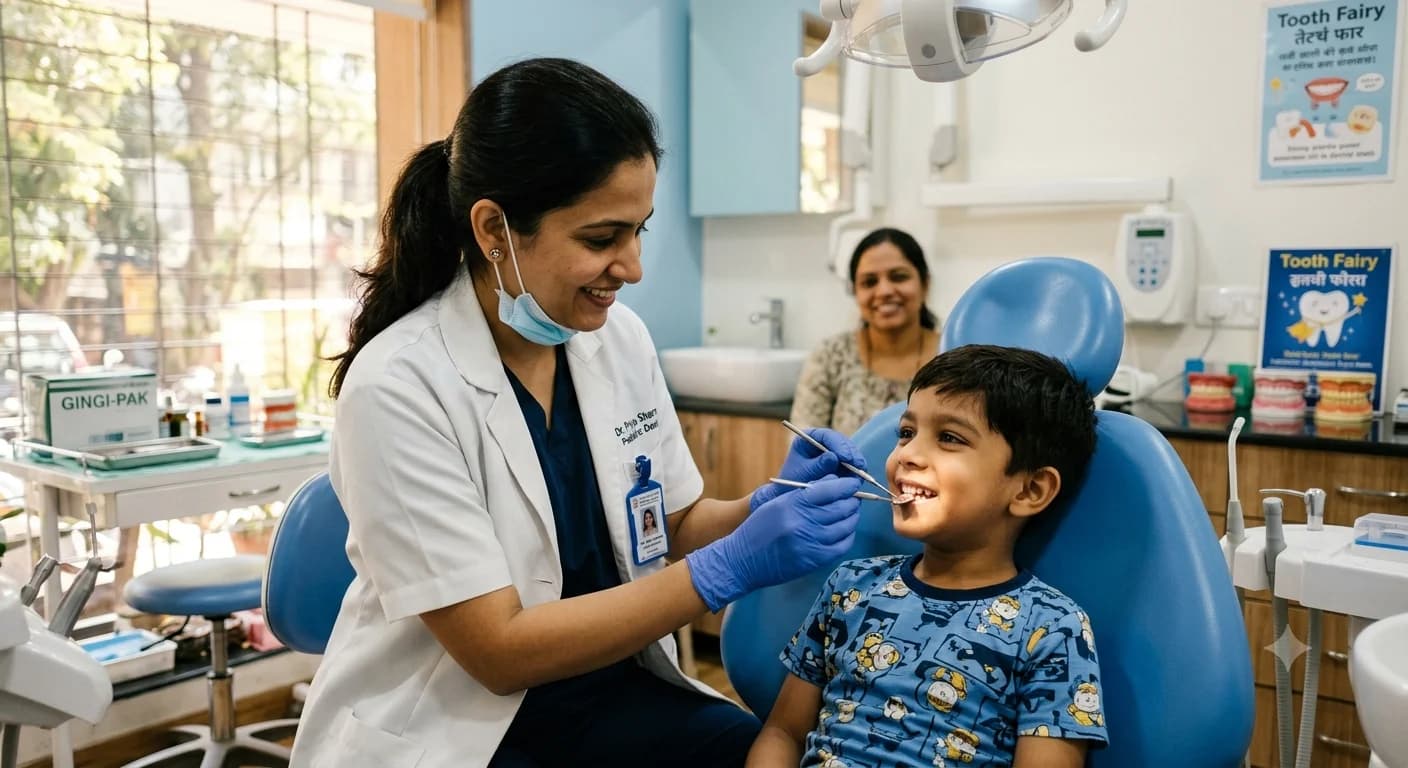
Dr. Nikita Sharma
Published on July 22, 2026
7 Common Dental Problems in Children Parents Should Know
7 Common Dental Problems in Children Parents Should Know
Children can experience a variety of dental problems as their teeth and jaws develop. Some problems may appear minor at first but can become painful or affect eating, speaking, sleep, and the development of permanent teeth if ignored.
Regular dental checkups and early treatment can help protect a child's oral health. Parents should know the warning signs that may indicate a dental problem requiring professional attention.
If your child is experiencing tooth pain, cavities, sensitivity, or any other dental problem, getting the right care at the right time is important. Dr. Nikita Sharma provides specialized dental care for children, helping diagnose and treat common dental problems while making the dental experience comfortable and stress-free for young patients.
1. Tooth Decay and Cavities
Tooth decay is one of the most common dental problems in children. It develops when bacteria in the mouth interact with sugars from food and drinks, producing acids that gradually damage tooth enamel.
Common signs include:
- Toothache
- Sensitivity to hot, cold, or sweet foods
- Visible holes or dark spots
- Pain while chewing
- Food repeatedly getting stuck in the same area
Early cavities may be treated before they become deeper and more painful. If decay reaches the inner pulp, more extensive treatment may be required. Regular visits to a pediatric dentist can help detect tooth decay early.
2. Toothache and Dental Pain
Toothache in children should not be ignored, especially when pain is persistent, severe, or repeatedly returns. Causes may include tooth decay, dental infection, trapped food, gum problems, cracked or injured teeth, erupting teeth, or problems involving the dental pulp.
Parents may notice difficulty eating, irritability, disturbed sleep, or avoidance of hot and cold foods. Persistent toothache requires evaluation to identify and treat the underlying cause.
3. Gum Problems
Plaque accumulation around the teeth and gums may cause inflammation, redness, swelling, tenderness, bleeding while brushing, or persistent bad breath.
Good brushing and flossing habits are essential. A pediatric dentist can assess persistent gum symptoms and recommend appropriate cleaning, oral hygiene measures, or treatment.
4. Sensitive Teeth
Some children experience tooth sensitivity with cold, hot, sweet, or acidic foods and drinks. Possible causes include tooth decay, enamel wear, cracks, gum-related problems, recent dental treatment, or other underlying conditions.
Recurring sensitivity should be evaluated. Treatment depends on the cause and may include preventive care, fluoride-based measures, restoration of a damaged tooth, or other dental treatment.
5. Chipped, Cracked, or Broken Teeth
Children may injure their teeth while playing, participating in sports, falling, or having an accident. Injuries can include chipped, cracked, broken, loose, displaced, or knocked-out teeth.
Even if a damaged tooth does not initially cause severe pain, it should be evaluated. Dental trauma with severe pain, bleeding, facial swelling, or a knocked-out permanent tooth requires prompt dental attention.
6. Crooked Teeth and Bite Problems
As children grow and permanent teeth appear, parents may notice crowding, gaps, crooked teeth, overbite, underbite, or crossbite.
Not every alignment problem requires immediate treatment, but early assessment can help monitor jaw growth and tooth development. When necessary, an orthodontic evaluation may be recommended at the appropriate age.
7. Dental Infection and Deep Cavities
Untreated tooth decay can progress into the tooth pulp and lead to significant pain or infection. Warning signs may include severe toothache, pain while chewing, gum or facial swelling, a pimple-like swelling on the gum, increased sensitivity, or fever.
Depending on whether the affected tooth is primary or permanent, the extent of infection, and the condition of the tooth, treatment may vary. In selected cases, pulp therapy or Root Canal Treatment may be recommended to remove infected tissue and preserve the tooth when appropriate.
Facial swelling, fever, difficulty swallowing, or rapidly worsening symptoms require prompt professional evaluation.
Why Are Regular Dental Checkups Important?
Some dental problems do not cause obvious pain in their early stages. Regular examinations allow a dentist to monitor tooth development, identify cavities, assess gum health, and detect concerns before they become more serious.
Preventive care may include:
- Professional examination and cleaning
- Fluoride treatment when appropriate
- Dental sealants for selected teeth
- Guidance on brushing, flossing, and diet
How Can Parents Help Prevent Dental Problems?
- Encourage twice-daily brushing with age-appropriate fluoride toothpaste
- Supervise younger children while brushing
- Encourage flossing when appropriate
- Limit frequent sugary snacks and drinks
- Schedule regular dental checkups
- Use protective mouthguards for suitable sports activities
Do not ignore persistent tooth pain, swelling, or dental injuries.
When Should You Take Your Child to a Pediatric Dentist?
Schedule a dental visit if your child has:
- Persistent toothache
- Visible cavities
- Sensitivity
- Bleeding or swollen gums
- A broken or injured tooth
- Difficulty chewing
- Swelling around the mouth or face
- Concerns about tooth alignment and development
A pediatric dentist is trained to manage the dental needs of infants, children, and adolescents while considering growth, development, and comfort during treatment.
Looking for a Pediatric Dentist Near Me?
Parents often search for a pediatric dentist near me when their child develops tooth pain, cavities, dental trauma, or other oral health concerns.
When choosing a dentist, consider professional qualifications, experience treating children, communication with parents and young patients, preventive care options, treatment facilities, and the ability to manage dental anxiety.
How to Choose the Best Pediatric Dentist Near Me
If you are searching for the best pediatric dentist near me, avoid choosing only on the basis of advertisements or price. Look for a qualified dental professional who can accurately diagnose the problem, explain treatment options clearly, and provide age-appropriate care.
Parents can also ask about preventive care, follow-up visits, emergency dental services, and treatment recommendations.
When Is Root Canal Treatment Needed?
Root Canal Treatment may be required when the inner pulp of a tooth becomes severely inflamed or infected due to deep decay, trauma, or other dental problems.
In children, the type of pulp or root canal treatment depends on whether the affected tooth is primary or permanent, the stage of tooth development, and the severity of the condition. Not every toothache requires Root Canal Treatment, so accurate diagnosis is important.
Conclusion
Dental problems in children should not be ignored simply because primary teeth eventually fall out. Healthy primary teeth are important for eating, speech development, maintaining space for permanent teeth, and overall oral health.
Common problems such as cavities, toothache, gum inflammation, sensitive teeth, dental injuries, alignment concerns, and infections can often be managed more effectively when identified early.
If your child has persistent dental pain, swelling, visible tooth damage, or other concerning symptoms, consult Dr. Nikita Sharma for a proper evaluation and personalized treatment plan.
Frequently Asked Questions (FAQs)
1. What are the most common dental problems in children?
Common problems include tooth decay, cavities, toothache, gum inflammation, sensitivity, dental injuries, crooked teeth, bite problems, and dental infections.
2. At what age should a child first visit a pediatric dentist?
Dental organizations generally recommend establishing dental care around the time the first tooth appears and no later than the first birthday. Individual guidance may vary.
3. Why are cavities common in children?
Frequent sugar exposure, plaque buildup, inadequate brushing, and other factors can contribute. Good oral hygiene, appropriate fluoride use, diet, and regular dental visits can reduce risk.
4. Should cavities in baby teeth be treated?
Yes, cavities in primary teeth may require treatment. Untreated decay can cause pain, infection, difficulty eating, and other complications.
5. When should I worry about my child's toothache?
Seek evaluation if pain is persistent, severe, repeatedly returns, affects eating or sleep, or occurs with swelling, fever, or dental injury.
6. Can children need Root Canal Treatment?
Yes. Depending on the tooth and condition, children may require pulp therapy or root canal-related treatment when the dental pulp is significantly inflamed or infected.
7. Is Root Canal Treatment painful for children?
Modern dental techniques and local anesthesia are used to minimize discomfort. The experience depends on the tooth condition and procedure required.
8. What should I do if my child breaks a tooth?
Contact a dentist promptly. Severe bleeding, facial injury, significant swelling, or a knocked-out permanent tooth may require urgent dental care.
9. How do I choose the best pediatric dentist near me?
Consider qualifications, experience with children, a child-friendly approach, clear communication, preventive services, suitable facilities, and individualized treatment planning.
10. How often should children visit a pediatric dentist?
Visit frequency depends on oral health and dental disease risk. Many children benefit from regular preventive visits, while some need more frequent monitoring.
📞 Call for Appointments: +91 79761 22545
📍 Clinic 1: Paras Urology & Multispeciality Hospital, Haribhau Upadhyay Nagar, C-Block, Pushkar Road, Ajmer (10:00 AM - 12:00 PM)
📍 Clinic 2: Home, B-455 Panchsheel, B Block, Ajmer, Rajasthan (5:00 PM - 7:00 PM)
🌐 Website: https://drnikitasharma.in/